Source ISO 11439 CNG Kit for Vehicles, Trucks, and Boats
Compare 30 verified products meeting ISO 11439 CNG kit standards for automotive, industrial, and marine applications. Buyers can evaluate specifications like pressure ratings, water capacity, and wall thickness from suppliers in China.
Key considerations
Products List




Comprehensive Sourcing Guide
Strategic Sourcing Guide for ISO 11439 Compliant CNG Kits
Understanding the Technical Architecture of High-Pressure Storage Systems
When sourcing a CNG kit centered around the ISO 11439 standard, the primary focus must be on the storage pressure vessel, which serves as the heart of the conversion system. The core product category identified in current market listings is the Storage Pressure Vessel, specifically designed for high-pressure applications. These vessels operate within a defined pressure range of 10.0 MPa to less than 100.0 MPa, with specific observed working and test pressures reaching 200 bar and 300 bar respectively. This pressure classification places the equipment firmly in the high-pressure domain, necessitating rigorous engineering controls during both manufacturing and installation.
The physical dimensions and material composition of these vessels vary significantly based on their intended water capacity, which is a critical metric for determining fuel volume. Market observations indicate a diverse range of capacities, including 28L, 60L, 70L, and 100L configurations. Each capacity tier correlates with specific design wall thicknesses and overall dimensions. For instance, a 28L vessel typically features a design wall thickness of 5.5mm, a height of 860mm, and a weight of 35kg. In contrast, larger 100L units exhibit a design wall thickness of 8.85mm, a height of 1027mm, and a weight of 99kg. Intermediate sizes, such as 60L and 70L units, present wall thicknesses of 7.2mm and 8.2mm respectively, with corresponding heights of 890mm and 930mm.
The material composition is predominantly Carbon Steel, which provides the necessary structural integrity to withstand the high internal pressures required for CNG storage. The vessels are generally supplied in "New" condition, ensuring that buyers receive products that have not undergone prior service or stress. Customization is available for these units, allowing procurement teams to tailor specific attributes to unique vehicle chassis or storage bay requirements. The standard packing configuration for these high-volume items is observed to be 250 units per 20-foot general purpose container, indicating that these products are manufactured for large-scale distribution and export.
Compliance Verification and Certification Standards
Compliance with international standards is non-negotiable when sourcing CNG kits. The ISO 11439:2013 standard is the primary benchmark for compressed natural gas cylinders for road vehicles. This standard ensures that the cylinders are designed, manufactured, and tested to meet specific safety requirements for high-pressure gas storage. Buyers must verify that the supplier explicitly states adherence to this specific version of the standard, as older versions or generic references to "ISO 11439" without the year may indicate outdated manufacturing practices.
Beyond the primary ISO standard, the market data suggests a complex landscape of additional certifications that may be present on specific units. Observed product listings reference a combination of CE, TPED, DOT, and TC standards. These certifications indicate compliance with European Pressure Equipment Directive (TPED), United States Department of Transportation (DOT) regulations, and potentially other regional transport codes. Furthermore, some listings mention ISO, BV (Bureau Veritas), and GOST certifications, which are critical for markets in Europe and Russia. However, it is imperative for buyers to treat these certifications as product-specific observations rather than universal guarantees for every unit in a supplier's catalog.
When evaluating a supplier, procurement teams should request valid, current certification documents for the specific model numbers being purchased. The presence of a model number such as "CNG-2 CNG-1" or "356-70-20B" and "406-100-20B" in the product specifications suggests that these identifiers are tied to specific compliance profiles. Buyers must ensure that the certification documents match the exact model and pressure rating of the ordered goods. Relying on general claims of compliance without verifying the specific certificate against the product serial number or batch can lead to significant regulatory risks during vehicle inspection or insurance validation.
Cost Drivers and Pricing Dynamics in the CNG Market
The pricing structure for CNG kits and their associated pressure vessels is influenced by several distinct factors, primarily driven by material costs, pressure ratings, and capacity. The observed price range in the market spans from $1.24 to $315 USD. This wide variance indicates that the "CNG kit" keyword encompasses a broad spectrum of products, from individual electronic control units (ECUs) to complete high-pressure vessel assemblies.
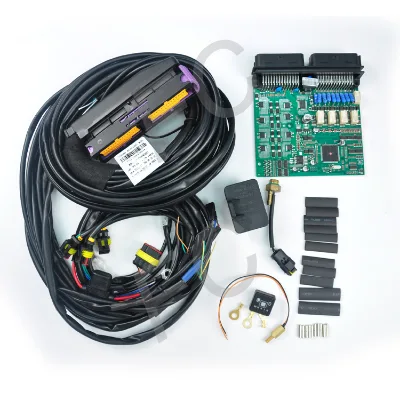
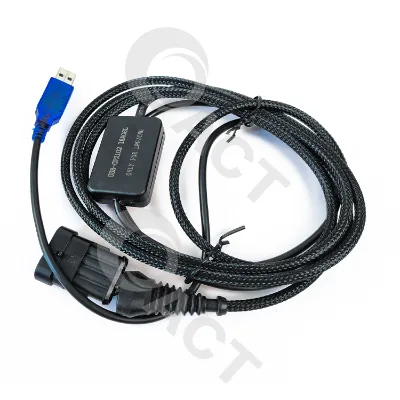
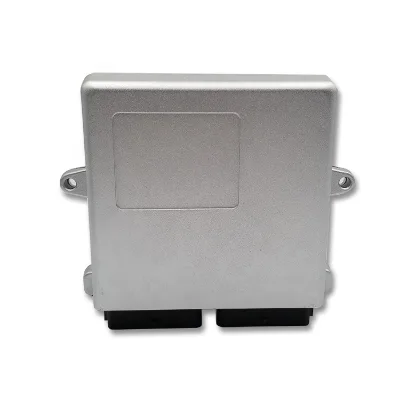
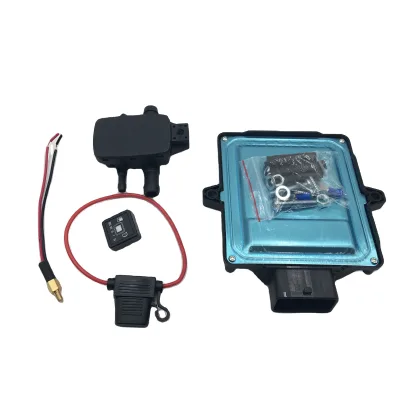
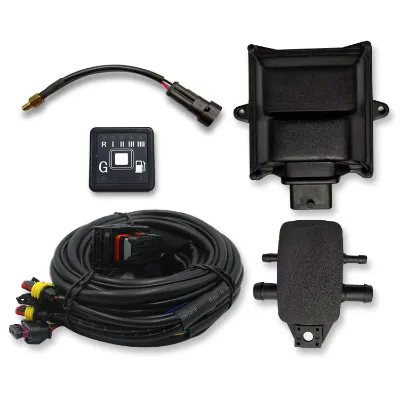
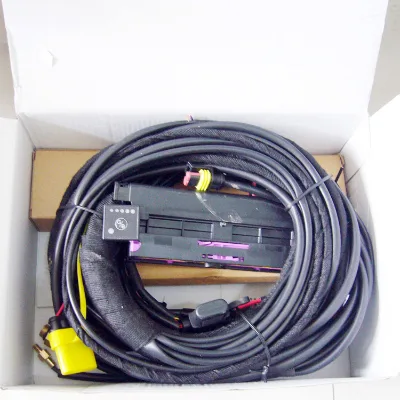
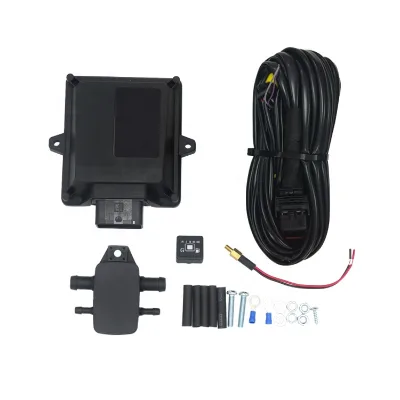
The lower end of the price spectrum likely corresponds to auxiliary components such as the electronic control units. For example, specific ECUs like the "FC cng lpg 56pin fuel injection ecu" or the "gas conversion kit mp48 ecu" are listed with single gross weights of 6.000 kg and 3.000 kg respectively. These items often have a minimum order quantity (MOQ) of just 1 piece, reflecting their nature as replaceable or repairable electronic modules. The warranty periods for these electronic components are observed to be around 1.5 years, which is a standard expectation for automotive electronics.
Conversely, the higher end of the price range is associated with the high-pressure storage vessels. These units require significant amounts of carbon steel, precise manufacturing tolerances for wall thickness, and rigorous testing procedures. The cost is further driven by the water capacity; a 100L vessel with an 8.85mm wall thickness will inherently cost more than a 28L vessel with a 5.5mm wall thickness due to material volume and the complexity of the hydrostatic testing required. Additionally, the origin of the product plays a role in pricing. Products originating from Shanghai, China (Mainland) or Sichuan, China (Mainland) may have different cost structures based on local labor rates, logistics infrastructure, and export incentives.
Buyers should also consider the packaging and shipping costs, which are significant for heavy items like pressure vessels. The standard packing of 250 units per 20gp container suggests that economies of scale are a major cost driver. For smaller orders, the per-unit cost may be higher due to the fixed costs of containerization and handling. Payment terms, such as T/T with a 30% deposit, Western Union, or PayPal, also influence the financial dynamics, as they affect the cash flow and risk profile for the buyer.
Typical Applications and System Integration
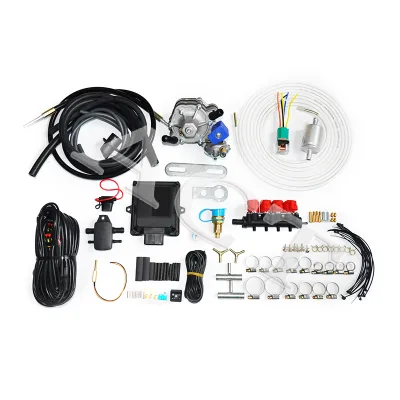
The primary application for ISO 11439 compliant CNG kits is the conversion of internal combustion engine vehicles to run on compressed natural gas. The target vehicle models are generally categorized under "cng lpg" systems, indicating versatility in fuel type support. The purpose of these kits is explicitly stated as "for replace/repair," suggesting that they are often used to retrofit existing vehicles or replace damaged components in a fleet setting.
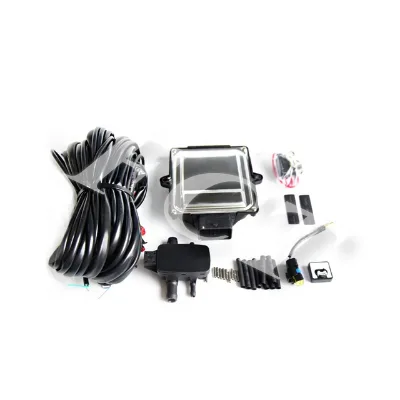
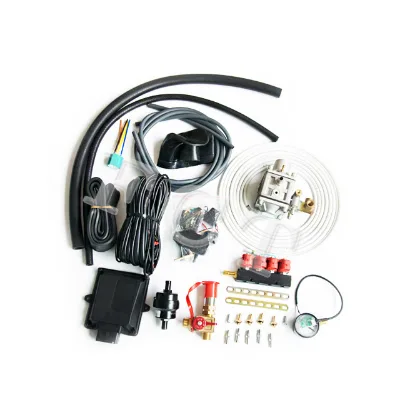
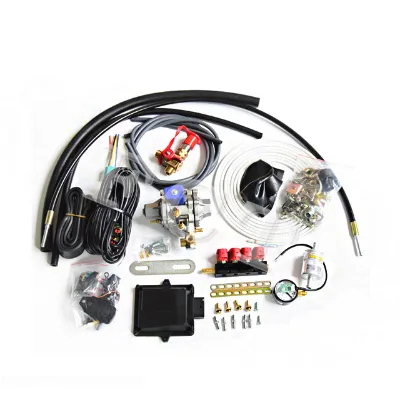
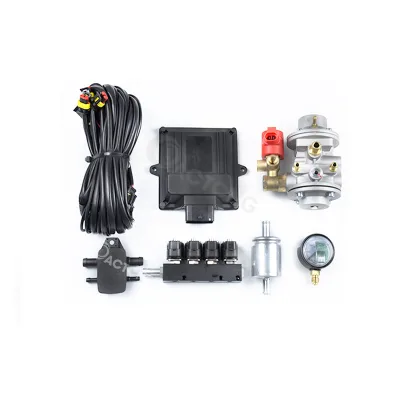
The integration of these systems involves more than just the installation of the pressure vessel. A complete CNG kit includes the electronic control unit (ECU), which manages the fuel injection timing and air-fuel mixture. The ECUs observed in the market, such as those with 56-pin connectors, are designed to interface with the vehicle's existing engine management system. The single package sizes for these ECUs, ranging from 12x18x18 cm to 48x58x38 cm, reflect the varying complexity and component density of the control units.
The physical installation of the pressure vessel is constrained by the dimensions of the vehicle's storage compartment. The height and weight of the vessel are critical factors in this process. A 1027mm tall vessel may not fit in a standard sedan trunk, whereas a more compact 860mm unit might. The weight of the vessel, ranging from 35kg to 99kg, also impacts the vehicle's payload capacity and handling characteristics. Buyers must ensure that the selected vessel dimensions align with the specific vehicle model's storage requirements.
Furthermore, the application extends to commercial fleets where the durability and capacity of the vessel are paramount. The high-pressure rating of 10.0 MPa to 100.0 MPa allows for efficient energy storage, enabling longer driving ranges between refueling stops. The standardization of the vessels under ISO 11439 ensures that they can be used across different vehicle platforms, provided the mounting and safety systems are compatible.
Supplier Evaluation and Origin Verification
When evaluating potential suppliers for CNG kits, the geographic origin of the product is a key indicator of manufacturing capability and regulatory alignment. The market data highlights two primary production hubs: Shanghai, China (Mainland) and Sichuan, China (Mainland). These regions are known for their robust manufacturing bases in the automotive and pressure vessel sectors. However, the presence of a specific origin does not automatically guarantee quality; it merely indicates the location of production.
Buyers should verify the supplier's ability to provide traceability for each unit. The model numbers, such as "Ecu" or specific vessel identifiers, should be linked to the production batch and certification documents. The customization availability noted in the product attributes suggests that suppliers may have the capacity to modify vessel dimensions or pressure ratings, but this requires a clear understanding of the technical constraints and safety implications.
The minimum order quantity (MOQ) is another critical factor in supplier selection. The observed MOQ range is 1 to 100 units. For buyers requiring a single unit for testing or a specific repair, suppliers with an MOQ of 1 piece are essential. For fleet operators or distributors, the ability to order in bulk, such as the 250 units per 20gp container, is crucial for cost efficiency. Buyers should also assess the supplier's payment terms, which include T/T with a 30% deposit, Western Union, and PayPal. These terms indicate the level of financial flexibility and trust required in the transaction.
Quality Control and Long-Term Procurement Considerations
Quality control in the CNG industry is paramount due to the high-pressure nature of the stored gas. The design wall thickness, ranging from 5.5mm to 8.85mm, is a direct result of engineering calculations to ensure safety under operating pressures of up to 300 bar. Buyers must ensure that the manufacturing process includes rigorous non-destructive testing and hydrostatic pressure testing to verify the integrity of the vessel. The "New" condition of the products implies that they have not been subjected to fatigue cycles, but the manufacturing quality must be verified through third-party inspection if possible.
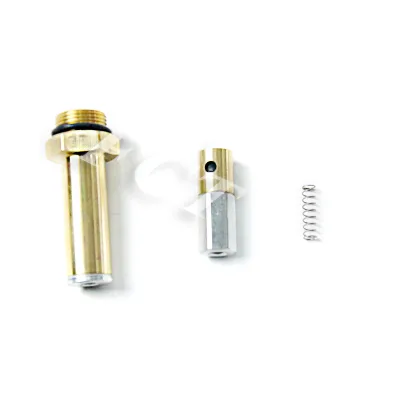
Long-term procurement considerations involve the warranty and after-sales support. The observed warranty period of 1.5 years for electronic components provides a baseline for expected product reliability. However, for the pressure vessels, the warranty terms may differ, and buyers should clarify the coverage for structural integrity and pressure retention. The availability of spare parts, such as replacement ECUs or valves, is also essential for maintaining the operational continuity of CNG fleets.
The standard packing of 250 units per 20gp container suggests that these products are designed for efficient logistics, but buyers must plan for adequate storage and handling facilities. The weight of the vessels, up to 99kg, requires appropriate lifting equipment and safe storage practices to prevent damage during transit and storage. Additionally, the environmental conditions of the storage facility should be considered to prevent corrosion or degradation of the carbon steel vessels over time.
In conclusion, sourcing ISO 11439 compliant CNG kits requires a meticulous approach to technical verification, compliance checking, and supplier evaluation. By focusing on the specific attributes of the pressure vessels, the electronic control units, and the associated certifications, buyers can ensure the safety and reliability of their CNG conversion projects. The wide range of available options, from small ECUs to large pressure vessels, offers flexibility but demands careful selection based on the specific needs of the application.
FAQs
What is the standard pressure rating for these vessels?
These vessels operate at high pressure between 10.0 MPa and less than 100.0 MPa. Specific units often feature working pressures of 200 bar and test pressures of 300 bar to ensure safety under ISO 11439:2013 requirements.
Which water capacities are available for the storage vessels?
Available water capacities include 28L, 60L, 70L, and 100L configurations. Each capacity tier corresponds to specific design wall thicknesses and overall dimensions to meet varying vehicle storage requirements.
Can I find vessels with specific certification standards?
Yes, products may carry CE, TPED, DOT, TC, ISO, BV, and GOST certifications. Buyers must verify that the specific model number matches the required certification documents for their target market.
How does the minimum order quantity vary for these items?
The minimum order quantity ranges from 1 piece for single electronic units to 100 pieces for larger vessel orders. Some high-volume configurations allow for 250 units per 20-foot container.
What materials are used to construct these pressure vessels?
The vessels are predominantly constructed from carbon steel to ensure structural integrity. This material choice supports the high-pressure requirements and ensures the products remain in new condition upon delivery.
Where are these CNG kit components manufactured?
Manufacturing origins include Shanghai and Sichuan in Mainland China. These locations serve as primary hubs for producing both the high-pressure vessels and associated electronic control units.